
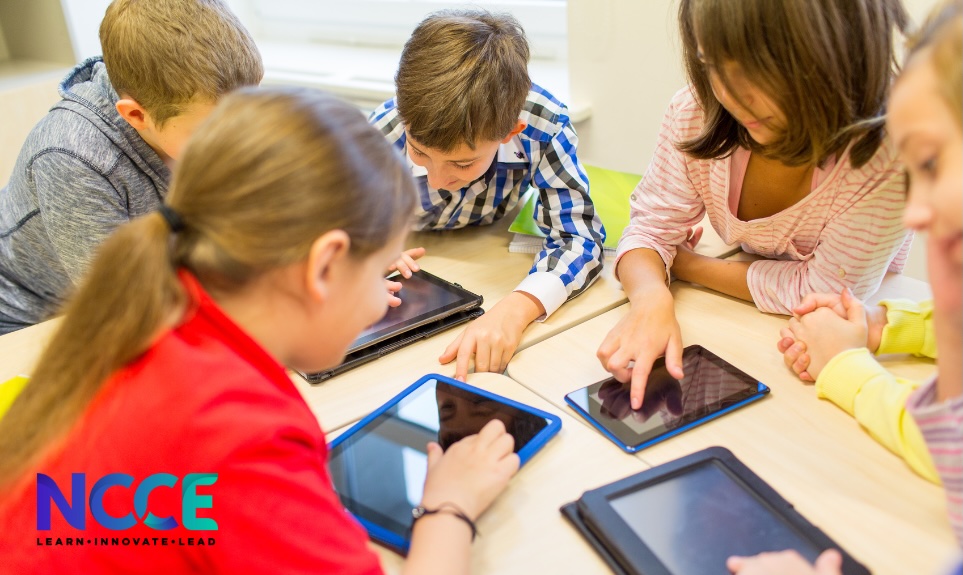
Educators are trained to teach in creative ways, but there’s no getting around the fact that every student learns differently. Many teaching methods can effectively engage diverse learners, but neurodiverse students with conditions like ADHD, autism spectrum disorder, dyslexia, or other neurological variations may face additional difficulties and obstacles in traditional classroom settings. This is where innovative educational technology can be a game-changer. With thoughtful use of specially designed tools, educators now have powerful opportunities to create more inclusive, personalized, and empowering learning environments for those with learning challenges.
Northwest Council for Computer Education (NCCE) believes technology should serve every learner, and innovative EdTech developers are directing increased attention to creating programs and applications that serve as a bridge to access and success for every learner. Now, with the right tools, training, and intentionality, educators can help neurodiverse students with instruction that plays to their strengths and meets their needs.
The Promise of EdTech for Neurodiverse Students
Technology can provide the kind of flexibility, customization, and engagement that neurodiverse learners often benefit from, without the enormous demands on education resources that used to be required. Rejecting traditional one-size-fits-all approaches, digital tools can be adapted to accommodate different learning styles, sensory needs, and communication preferences. Here are some of the ways educators can more effectively reach neurodiverse learners:
1. Personalized Learning Tools
Platforms like Khan Academy, DreamBox, and IXL use adaptive algorithms to begin to personalize content and pacing. These adaptations enable neurodiverse students to learn at their own speed, access repeated instructions as needed, and engage with content that matches their knowledge level, reducing their frustration and helping them to gain confidence.
2. Visual and Auditory Supports
Many neurodiverse students process information more effectively through visual or auditory channels, rather than traditional reading. Tools such as Immersive Reader (from Microsoft) or text-to-speech functions help break down barriers and improve comprehension. On the flip side, speech-to-text software enables students who struggle with writing to express their ideas more easily through speech.
3. Organization and Time Management Aids
Organizational functioning challenges are common among neurodiverse learners. Applications like Trello, myHomework, or Google Keep can help students track assignments, manage tasks, and stay organized. Visual timers or calendar reminders can reduce stress and support transitions between activities.
4. Communication Tools
For non-verbal students who have difficulty with social communication, augmentative and alternative communication (AAC) tools like Proloquo2Go and TouchChat provide ways to interact, participate in discussions, and make choices. These technologies can dramatically improve a student’s autonomy and give them a voice in the classroom.
5. Sensory Regulation Support
Some learners need tools to help regulate sensory input and maintain focus. Noise-canceling headphones, fidget apps, or ambient sound playlists can create a more comfortable learning environment, especially in busy classrooms.
Educator Strategies for Success
While the tools above are powerful, their impact depends on how well educators use them. Here are a few best practices for integrating technology to support neurodiverse learners:
- Involve Students in Choosing Tools: Ask students directly which tools help them focus, understand, and express themselves. Giving them agency increases buy-in and ensures better outcomes.
- Design with Flexibility: Use the Universal Design for Learning (UDL) framework to offer multiple means of engagement, representation, and expression, allowing all students to access content in ways that work for them.
- Keep It Simple: Avoid overwhelming students by introducing too many apps or features simultaneously. Start with a few core tools and build from there as circumstances indicate.
- Collaborate with Families and Specialists: Families and support professionals often know what has worked for a student in the past. This is invaluable knowledge, and bringing them into the conversation ensures consistency and maximizes support.
- Provide Ongoing Support: Teach students how to use assistive technology effectively and give them time to practice. Build confidence before expecting complete independence.
NCCE’s Commitment to Inclusive Education
NCCE knows that every student deserves the chance to thrive. That’s why we provide educators with the resources, training, and support they need to integrate technology in ways that serve all learners, including those who are neurodiverse.
Through workshops, webinars, and expert consultation, we help schools select and implement tools that make a real difference. Our goal is not just access but empowerment for students and the educators who support them.
Want to learn more about supporting neurodiverse learners through technology? Contact NCCE today, sign up for our newsletters, attend or log in for an event, or register for our upcoming EdTech conference in Seattle, NCCE 26.